
Personalized care for dark spots, sun damage, post-acne marks, hormonal pigmentation and uneven skin tone
Pigmentation is not one single skin condition—and every brown spot should not be treated the same way.
Dark spots may develop from cumulative sun exposure, acne, inflammation, hormonal changes, medication, injury or an overly aggressive skincare routine. What appears to be a simple sunspot may behave very differently from post-acne pigmentation or melasma.
That distinction matters. Using the wrong active ingredients or treating pigmentation too aggressively can irritate the skin, weaken its protective barrier and sometimes make discoloration more noticeable.
At Kerry Spindler – Bespoke Aesthetics Spa, pigmentation care begins by looking at the full picture: what the discoloration looks like, what may be contributing to it, how your skin responds to treatment and what it can safely tolerate.
You do not need to identify the type of pigmentation yourself or arrive knowing which treatment to book. Come as you are, tell us what has been concerning you and allow us to guide the next step.
Begin With a Personalized Skin Assessment
Not Every Dark Spot Is the Same
Pigmentation occurs when the skin produces or distributes melanin unevenly. The resulting discoloration can look like isolated spots, lingering marks, freckles or larger patches.
Common forms of pigmentation include:
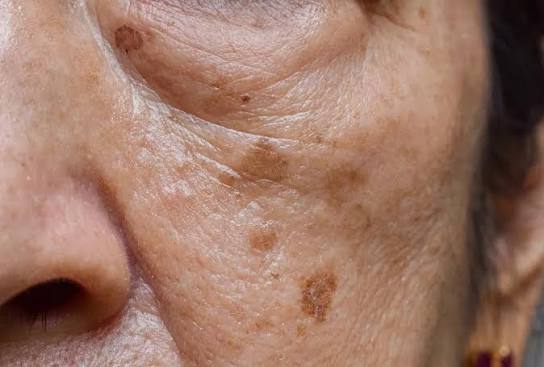
Sunspots and Age Spots
Sunspots—sometimes called age spots or solar lentigines—develop after cumulative exposure to ultraviolet light. They often appear as distinct, relatively flat areas on the face, chest, shoulders and hands.
Although they are associated with years of sun exposure, they can appear earlier than many people expect.
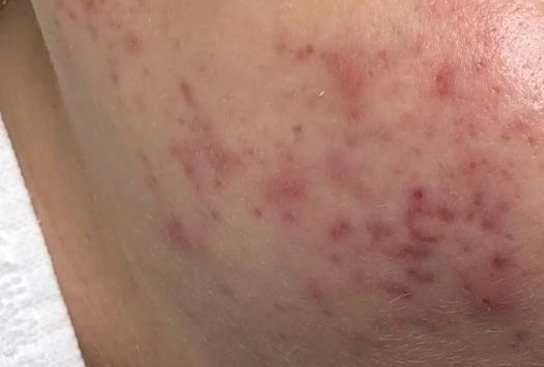
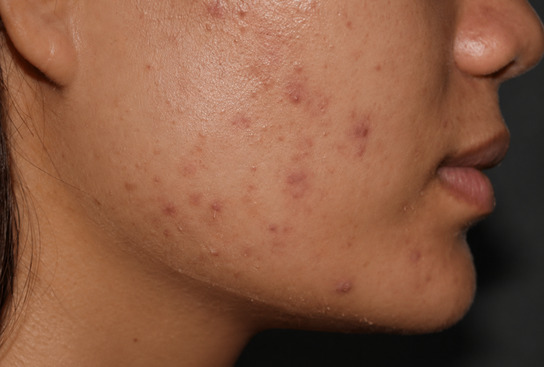
Post-Acne Marks
After a breakout heals, inflammation can leave a flat brown, tan or gray mark behind. This is known as post-inflammatory hyperpigmentation, or PIH.
These marks are not the same as indented or raised acne scars. They may gradually fade, but repeated breakouts, picking, irritation and sun exposure can cause them to remain visible longer.
Inflammation-Related Pigmentation
Acne is not the only source of post-inflammatory pigmentation. Discoloration may follow:
- Skin irritation or allergic reactions
- Picking, scratching or friction
- Waxing or hair removal
- Burns or injuries
- Aggressive exfoliation
- Poorly selected peels or at-home devices
- Eczema or other inflammatory skin conditions
- Cosmetic or medical procedures
The first priority is often calming the source of inflammation. Attempting to rapidly exfoliate the remaining mark while the skin is still irritated can keep the pigment cycle active.
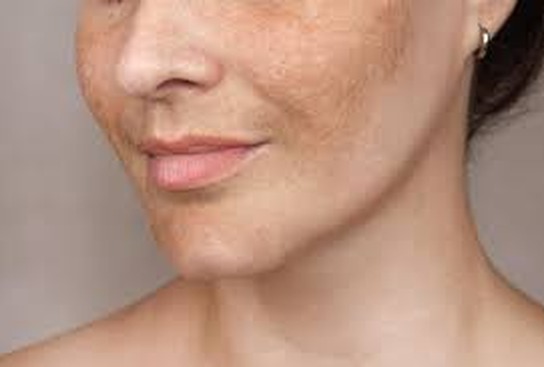
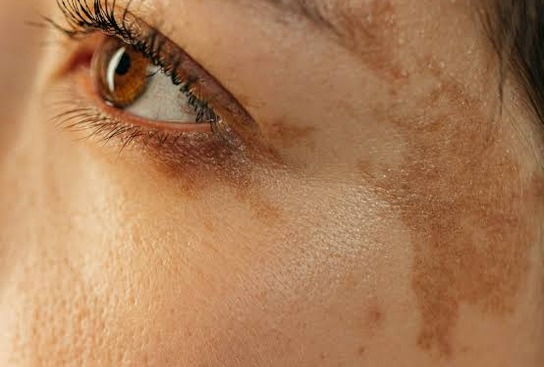
Melasma
Melasma usually presents as broader, irregular patches of pigmentation, commonly on the cheeks, forehead, upper lip or jawline. It is frequently influenced by hormones, pregnancy, birth control, ultraviolet exposure, visible light, heat and inflammation.
Melasma behaves differently from an isolated sunspot and requires patience, restraint and long-term management.
If your discoloration appears in recurring patches or changes with hormones, heat or sun exposure, visit our Melasma Treatment Near Boston page for more specialized guidance.
Uneven or Dull-Looking Skin Tone
Not all uneven tone comes from one clearly defined spot. A combination of accumulated sun exposure, dehydration, surface buildup, inflammation and previous breakouts can leave the complexion looking inconsistent or less luminous.
This type of discoloration still deserves a thoughtful approach. Brightening the skin should not mean stripping it.
What Contributes to Pigmentation?
Pigmentation is rarely caused by one factor alone. Several internal and external influences may be working together.
Why Pigmentation Sometimes Gets Worse With Treatment
The internet has turned pigment correction into a race: stronger acid, stronger peel, stronger “spot remover.” Skin biology is not impressed by the hype.
When pigmentation is treated without understanding its cause, the skin may become inflamed. That inflammation can stimulate additional pigment production, making the original concern more difficult to manage.
This is especially important when treating:
- Melasma
- Reactive or sensitive skin
- Melanin-rich skin
- Post-acne pigmentation
- Skin already using retinoids, acids or prescription products
- Skin recovering from a procedure
- Pigmentation following picking, burns or injury
Our goal is not to force the skin into submission. It is to improve discoloration while preserving the strength, comfort and long-term function of the skin.
Our Approach to Pigmentation Treatment
There is no single facial, peel or product that is appropriate for every form of discoloration.
Your care begins with conversation and careful observation. We consider the appearance and pattern of the pigment, current inflammation, barrier health, product use, hormonal influences, previous treatments, lifestyle and how your skin is responding that day.
Depending on your skin, a personalized plan may include:
- Barrier-supportive facial care
- Carefully selected exfoliation
- Customized chemical peels for established and appropriately prepared clients
- Support for acne and inflammation
- LED or recovery-focused modalities when appropriate
- Microneedling for suitable concerns and candidates
- Professionally selected home care
- Daily sun- and visible-light protection
- Referral to a dermatologist or medical provider when appropriate
Not every option will belong in every plan. Treatment is selected according to your skin’s needs and tolerance—not because a device or ingredient is trending.
Why We May Stabilize the Skin First
If your skin is irritated, inflamed or overtreated, immediately adding stronger brightening ingredients may not be the right first move.
Sometimes the most effective beginning is rebuilding barrier function, simplifying home care and reducing the inflammation that keeps pigment activity elevated.
This is not delaying progress. It is creating skin that can respond to treatment more predictably and safely.
How to Choose Pigmentation Products Safely
Pigmentation concerns can make people especially vulnerable to dramatic promises. Products advertised online may claim to bleach, whiten, erase or permanently remove dark spots in just days.
Fast does not always mean effective—and it certainly does not always mean safe.
Avoid products that have:
- No complete ingredient list
- No identifiable manufacturer or distributor
- Handmade, altered or unclear labeling
- Unusually dramatic lightening promises
- Instructions that encourage prolonged irritation
- Questionable online or international sourcing
- Ingredients that do not match the claims being made
- No guidance about sun protection or possible sensitivity
A targeted New York City public-health study of skin-lightening and skincare products collected through surveillance found mercury in some products, frequently without disclosure on the label. Because the products were intentionally selected for testing, the findings do not mean that the same percentage applies to all imported skincare. They do, however, reinforce why ingredient transparency and reputable sourcing matter.
Mercury is prohibited in skin-lightening products and can harm the skin, kidneys and nervous system. Exposure can also affect other members of a household through contaminated towels, bedding and clothing. The FDA advises consumers to avoid illegally marketed over-the-counter skin-lightening products containing mercury or hydroquinone.
A Necessary Distinction About Hydroquinone
Professionally prescribed hydroquinone is not the same as an unidentified cream containing undisclosed hydroquinone, mercury or potent steroids.
Hydroquinone may be prescribed by a qualified medical provider for certain pigmentation concerns. When medically appropriate, it should be obtained through a legitimate source and used according to professional instructions.
The danger is self-treating with unregulated or illegally marketed products whose contents, strength and safety cannot be verified.
Bring any pigmentation product you are unsure about to your appointment. We can review its ingredient list and help determine whether it fits appropriately within your routine. Medical or prescription questions will be referred to the appropriate healthcare provider.
Pigmentation During Pregnancy and Breastfeeding
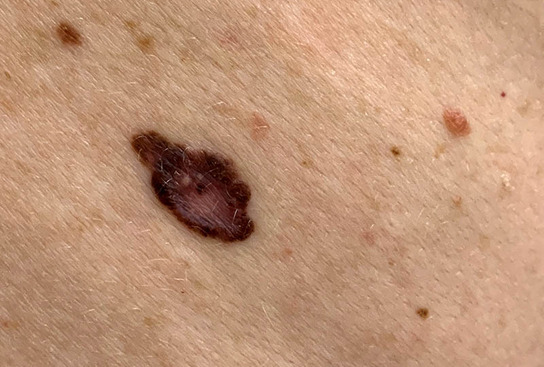
When a Spot Needs a Dermatologist
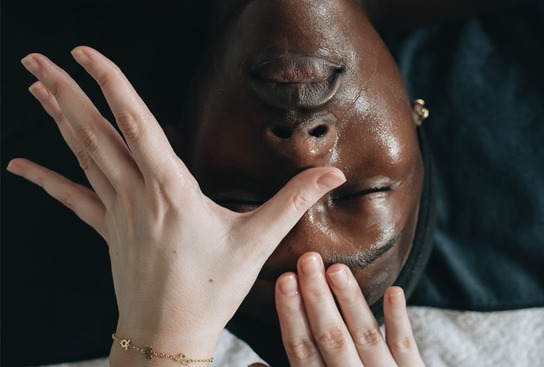
Pigmentation Care for Melanin-Rich Skin
What Results Can You Expect?
Pigmentation usually develops over time, and meaningful improvement takes time too.
Results depend on the type and depth of discoloration, how long it has been present and whether contributing factors—such as inflammation, hormonal changes, sun exposure or recurring acne—remain active.
Some superficial marks may improve relatively quickly. Melasma and deeper or recurring pigmentation generally require a longer-term strategy combining professional treatment, consistent home care and daily protection.
We do not promise instant removal or perfection. We provide honest expectations and a personalized plan that can evolve as your skin changes.
Why Greater Boston Clients Choose Kerry Spindler
Kerry Spindler is a nationally recognized beauty expert, oncology-trained paramedical esthetician, melanoma survivor and founder of YOUphoria Curative Skincare.
Her approach to pigmentation is shaped by decades of hands-on experience, cosmetic-ingredient knowledge, skin-cancer advocacy and a deeply personalized philosophy of care.
Clients choose Kerry Spindler – Bespoke Aesthetics Spa for:
- Individualized, barrier-conscious treatment
- Experience with hormonal, reactive and melanin-rich skin
- Thoughtful support for acne-related pigmentation
- Honest product and treatment guidance
- Appropriate collaboration with dermatologists and medical providers
- Quiet, private care just minutes from Boston
The practice is located at Atlantis Marina on Belle Isle in Winthrop, convenient to Boston, East Boston, Revere, Chelsea, the Seaport, the North Shore and Logan Airport.
You Do Not Need to Diagnose Your Own Pigmentation
If you cannot tell whether you have sun damage, melasma, post-acne marks or a combination, that is completely normal.
You do not need to understand pigment depth, select a peel strength or arrive with your own treatment plan. Simply tell us what has been bothering you and what you have already tried.
We take it from there.
For new clients, the Bespoke Blueprint Facial provides the time to assess your skin, deliver a personalized treatment and create a thoughtful path forward.
Your pigmentation is personal. Your treatment should be too.
Not Sure What to Book? Start Here
Frequently Asked Questions About Pigmentation Treatment
What causes dark spots and uneven skin tone?
Are dark spots and melasma the same?
Can pigmentation be permanently removed?
Is pigmentation treatment safe for darker skin tones?
How long does pigmentation take to improve?
When should I see a dermatologist?
A Clearer Path Forward for Your Skin
Pigmentation can be complicated. Choosing where to begin should not be.
At Kerry Spindler – Bespoke Aesthetics Spa, you will receive thoughtful, personalized care that respects your skin’s history, sensitivity and long-term health. No harsh, one-size-fits-all protocols. No pressure to understand everything before you arrive.
Come as you are. We will assess your skin, listen to your concerns and build the treatment from there.
Your skin deserves more than a quick fix. It deserves to be understood.