
Key Highlights
Choosing the right sun protection can feel tough at first. But if you know the basics, it will be easier. Here’s a quick look at what you should know about mineral vs chemical sunscreen.
- Mineral sunscreen creates a physical barrier on your skin. It bounces UV rays away from you.
- Chemical sunscreen soaks up UV rays. It then changes them into heat with a chemical reaction.
- The main sunscreen ingredients found in mineral sunscreen are zinc oxide and titanium dioxide.
- A few common chemical sunscreen ingredients are oxybenzone and avobenzone.
- Both options can give you good and effective sun protection when used the right way, making the choice of mineral vs chemical sunscreen a matter of personal preference.
- Your skin type and how you live can help you know which sunscreen is best for you.
Understanding the Mineral vs Chemical Sunscreen Difference

When you choose a sunscreen, you get two types of UV filters. These are mineral and chemical options. Both help protect your skin from harmful UV rays. But, they work in different ways. The main difference is in their active ingredients and the way they block the sun’s rays. According to the U.S. Food and Drug Administration (FDA) sunscreens are regulated as over-the-counter products to ensure they meet safety and effectiveness standards.
Knowing these differences between mineral vs chemical sunscreen can help you pick the best sun protection for your skin. You may need a type that works as a physical barrier. Or you may want a type of sunscreen that soaks up the sun’s rays. Let’s see how each kind of sunscreen is different.
Mineral vs Chemical Sunscreen: What Defines Mineral Formulas?
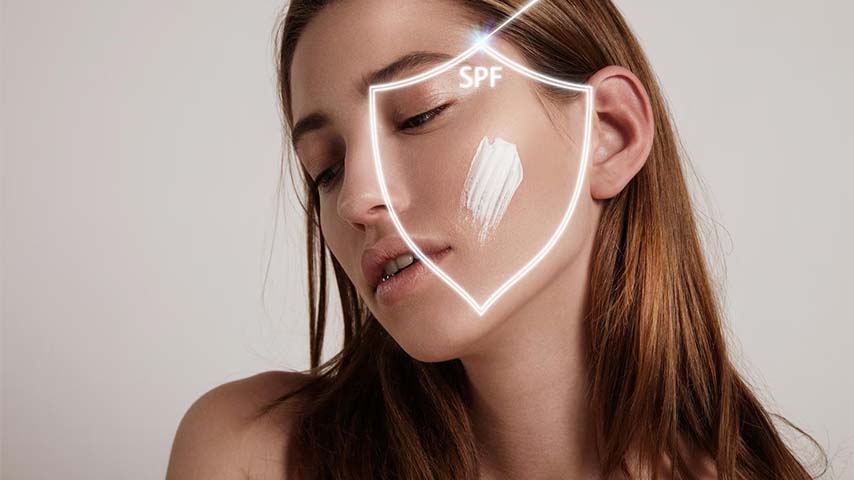
Mineral sunscreen is also called physical sunscreen. The way it works is simple. It makes a physical barrier on your skin. You can think of this barrier as a shield. The shield helps block and scatter harmful rays. They do not go into your skin. This type of sunscreen acts like a film on your skin. It helps keep your skin safe from harmful rays.
The minerals in a mineral sunscreen help protect your skin. The U.S. Food and Drug Administration (FDA) says there are two sunscreen ingredients that are active and okay to use. These are zinc oxide and titanium dioxide. A real mineral sunscreen will have only these as active ingredients. The FDA also says both zinc oxide and titanium dioxide are safe. They work well.
In the mineral vs chemical sunscreen debate, mineral sunscreens stay on your skin and do not soak in. A lot of people with sensitive skin like to use them. This is because they are less likely to make skin feel bad or cause problems. Mineral sunscreens give the skin a gentle and strong way to get daily sun protection. That is why they are a preferred choice for sun protection. If you’re exploring natural skincare alternatives , mineral sunscreens fit well into a gentle, minimalist routine. For safety ratings, the Environmental Working Group’s Sunscreen Guide provides independent safety ratings for hundreds of products.
Mineral vs Chemical Sunscreen: What Defines Chemical Formulas?
Chemical sunscreen doesn’t work the same way as a physical wall. It goes into your skin and acts like a sponge. The formula stays in place to block uv radiation. This kind uses chemical filters to do the job. Part of choosing between mineral vs chemical sunscreen is knowing that chemical ingredients work by sinking into your skin to convert UV rays into heat.
When uv rays hit your skin, the chemical sunscreen ingredients do a chemical reaction. This reaction takes the harmful uv rays and changes them into heat. Your skin then gets rid of this heat. That is how chemical sunscreen gives you effective sun protection in the upper layers of the skin.
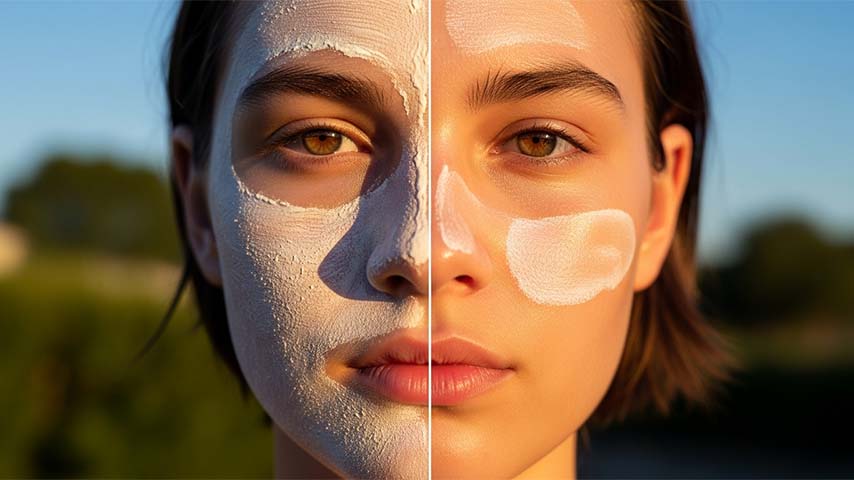
There are several sunscreen ingredients for chemical sunscreen that the FDA says are safe. Some common chemical sunscreen ingredients are oxybenzone, avobenzone, octisalate, octocrylene, homosalate, and octinoxate. A lot of sunscreen products use these. Most people feel that chemical sunscreen feels light on the skin. They say it does not leave a white mark on your face or body. This is why people like chemical sunscreen with these sunscreen ingredients.
Mineral vs Chemical Sunscreen: How Do They Work?
The main difference in the types of sunscreens is in how they work. One type blocks uv radiation. The other type absorbs it. Both types give strong uv protection. They help lower harm from uv radiation, but they use different ways to do this. Sunscreen efficacy depends on using it in the right way, no matter which mineral vs chemical sunscreen spectrum you choose.
Mechanism of Mineral Sunscreens
Mineral sunscreens are known as physical blockers. This is because they create a layer on the top of the skin. The layer acts as a physical barrier. It works like a shield for you. The sunscreen reflects and scatters UV rays, keeping them away from your body. This stops the rays from doing harm. The protection begins as soon as you use it. When comparing mineral vs chemical sunscreen, this immediate action is a key advantage of mineral sunscreens over chemical ones.
Mineral sunscreen starts to work as soon as you put it on your skin. You do not need to wait for it to soak in. The active ingredients, zinc oxide and titanium dioxide, stay on top of your skin. They make a shield that blocks ultraviolet radiation from getting through.
Key points about how mineral sunscreens work include:
- They stay on top of the skin.
- They are physical blockers that stop uv rays from getting in.
- You get protection from UV rays as soon as you put them on.
This is why many people say that mineral sunscreen is a good pick. It is gentle on the skin. It also works well to keep you safe in the sun.
Mechanism of Chemical Sunscreens
When considering chemical sunscreens, the primary point of difference in the mineral vs chemical sunscreen debate is that they soak into your skin. After you put on chemical sunscreen, the active ingredients need about 15 minutes to get into your skin. The chemical filters in the sunscreen give you UV protection from the top layers of your skin.
When your skin is in the sun, the chemical sunscreen ingredients take in uv rays. A chemical reaction begins and turns the uv radiation into heat. This heat goes out of your skin. This stop uv rays from hurting your skin cells, so the chemical sunscreen ingredients help protect you.
Here’s how chemical sunscreens protect you:
- They go into the skin.
- They use a chemical reaction to change uv rays into heat.
- They need about 15 minutes to work well.
This way, the formulas feel light and are simple to use. But you have to put them on before sun exposure. This makes them ready to protect you when you are out in the sun. For deeper recommendations, check out our guide on the best sunscreen for black skin.
Durability and Longevity in Outdoor Conditions
When people ask about how long sunscreen lasts, they may think one kind works better or longer than the other. This is not right. When comparing mineral vs chemical sunscreen, both give you about the same time of protection. Sunscreen efficacy goes down when there is sun exposure and as time passes.
When you go outside, things like swimming or sweating can wash off sunscreen. This makes it less effective at protecting you from UV damage. If you’re active and worried about sweat and skin health, choosing a water-resistant formula and reapplying often is key to maintaining protection without clogging pores. That is why you need to put on more sunscreen, no matter what type you use. To stay safe, use it again and again, regardless of your preference for mineral vs chemical sunscreen. And don’t forget! Sun protection for your body is just as important as protecting your face.
General tips for how long sunscreen lasts are as follows:
- Put more on every two hours.
- If you swim or sweat, put it on again more often.
- Look for “water-resistant” on the label. Even with this, put more on after you swim.
Conclusion
To sum up, choosing between mineral vs chemical sunscreen is about your skin type, what you need, and what matters to you. Mineral sunscreen gives your skin good sun safety and is soft for people with sensitive skin. Chemical sunscreen feels light and smooth when you put it on, and many people say they like it. Both have good sides and things that may not work for some. You need to know what each sunscreen does for your skin and the earth.